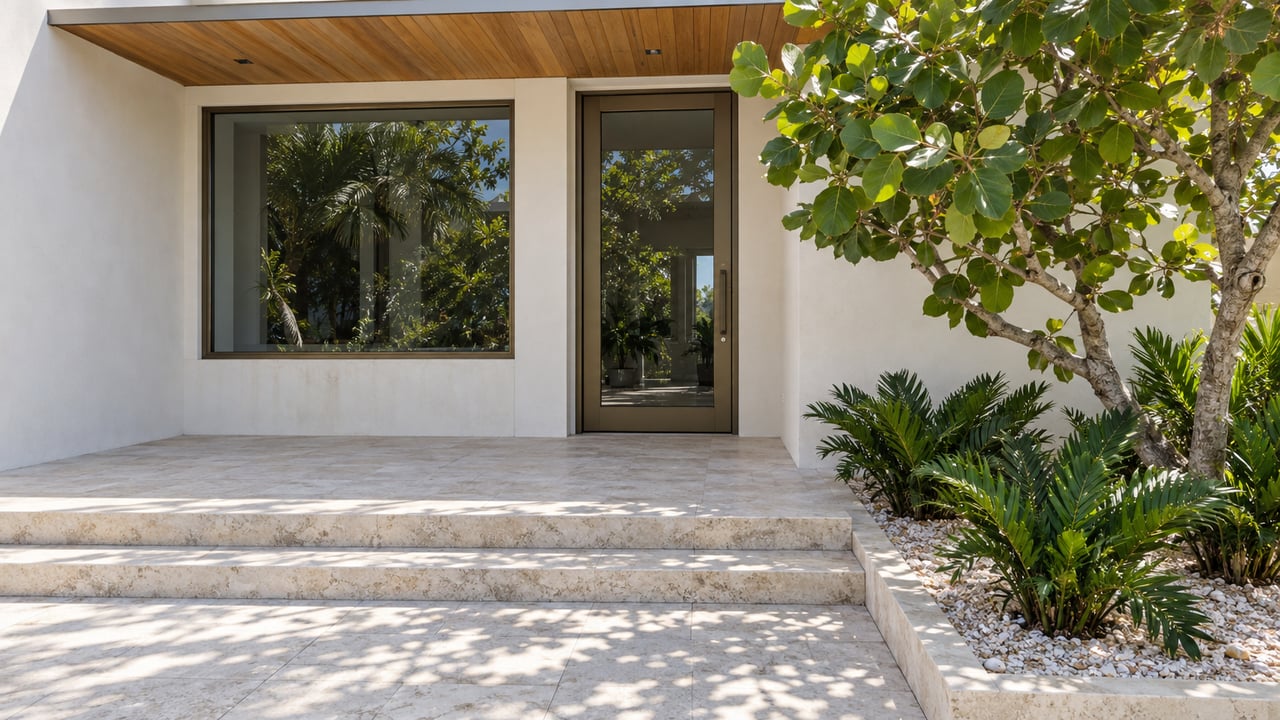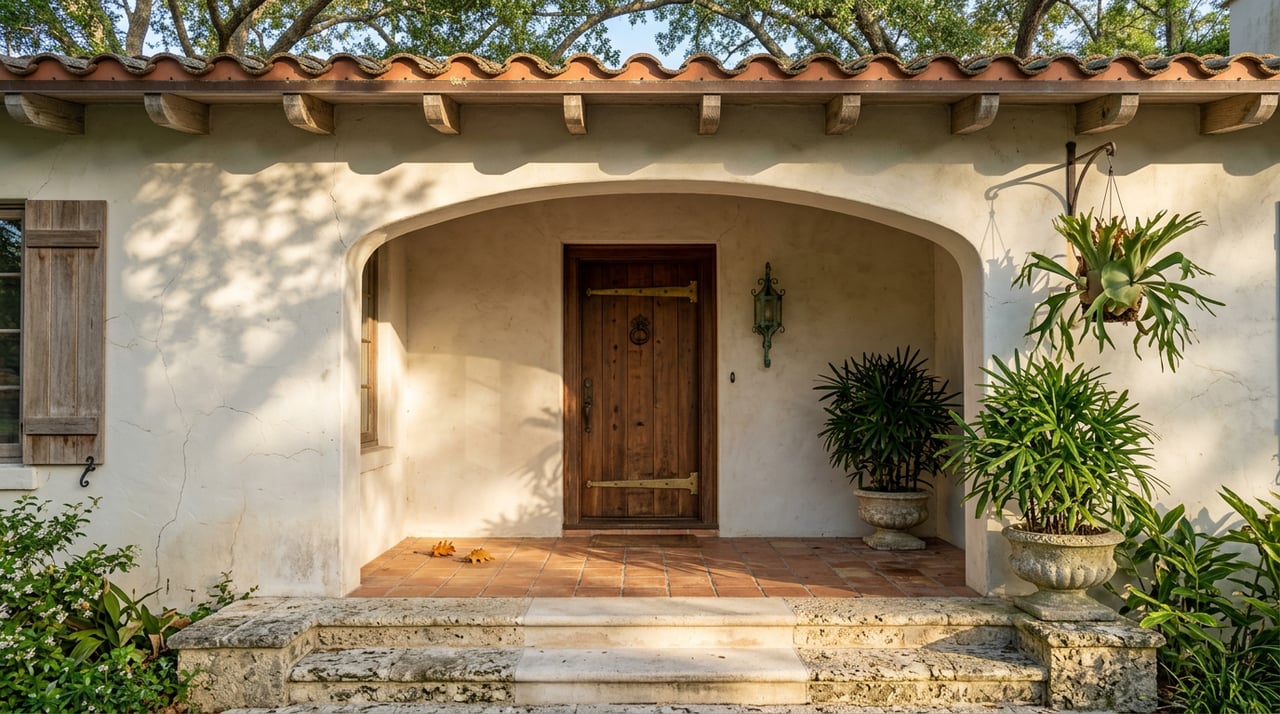
Two houses on the same block in Cherokee Park can trigger completely different permit timelines under Florida's new rules, and the difference isn't determined by square footage or budget alone. It can come down to what's behind the walls.
According to Sarasota County's building department, House Bill 803 took effect statewide on July 1, 2026, and the county moved quickly to implement it. The pitch was straightforward: less paperwork, faster reviews, lower fees for small jobs. For a homeowner replacing a water heater or patching drywall, that's exactly what happened. For someone buying or renovating one of the roughly several thousand single-family homes that make up West of Trail, most of them built between the 1920s and the 1970s, the law's speed provisions apply to a category of work this corridor rarely stays inside.
What Actually Changed on July 1
The county's own building department bulletin lays out the mechanics. Work under $7,500 on a single-family home can now qualify for a permit exemption, provided specific documentation requirements are met. Inspection fees are no longer calculated as a percentage of project value. Permits for work under $15,000 on an existing single-family residence now receive expedited review. Temporary flood proofing on a single-family home is exempt from permitting outright.
Those are real changes, and they help the homeowner replacing a fence or resealing a driveway. The threshold math looks like this:
| After July 1, 2026 | |
|---|---|
| Minor work exemption | Exempt under $7,500 with documentation |
| Inspection fees | Flat, not value-based |
| Expedited review | Automatic under $15,000 |
| Flood proofing (temporary) | Exempt |
The county also consolidated its in-person permitting services. As of March 23, 2026, everything that used to run through the Sarasota Center Boulevard office now goes through the PDS One Stop at 870 Apex Road. That's a logistics detail, but it's the kind of thing a contractor pulling a permit for a West of Trail client needs to know before showing up at the old address.
How Permit Thresholds Apply to Older Homes
The $7,500 and $15,000 thresholds are useful context, but renovation work in Laurel Park, Gillespie Park, or the older sections of Avondale may involve conditions that affect the permitting and inspection process.
Homes from this era commonly carry knob-and-tube or aluminum wiring, galvanized plumbing, original plaster walls, and pier-and-beam foundations that have had decades to settle. Termite history is a near-universal consideration in wood-frame construction from the period. Lead-based paint is a factor in older homes, and asbestos-containing materials show up often enough in mid-century flooring, insulation, and ductwork that SarasotaLaw.org says a survey is required before any demolition work can proceed on an older home.
None of that is exotic. It's the baseline condition of a lot of West of Trail's housing stock, concentrated in the 34236 and 34239 zip codes. The new law made the small jobs around the edges faster.
Local Historic Design Review
There's a second track that the new state law has no jurisdiction over: local historic design review.
McClellan Park, one of Sarasota's earliest planned subdivisions from the 1920s, falls under the City of Sarasota's Historic Preservation Program, as do sections of Avondale. Homeowners in a locally designated historic district need a Certificate of Appropriateness before making exterior changes, a city-level design review process that runs independently of state building code timelines. HB 803 streamlined how the county handles permit fees and inspection scheduling. It did nothing to shorten how long the Historic Preservation Board takes to review a proposed addition or a change to a street-facing facade.
So a buyer comparing two similar renovation projects, one in a non-designated block of Gillespie Park and one inside McClellan Park's historic boundary, is comparing two different regulatory paths even after the July reforms. The permit fee might be smaller either way. The design review clock keeps running at its own pace in the historic district.
What This Means If You're Buying or Selling
For sellers, the practical move is to pull the permit history on the property before it goes on the market, not after an inspector flags undocumented work during a buyer's due diligence period. Sarasota County's permit search tool is public. Work that was done without a permit doesn't disappear just because the new exemption threshold is more generous going forward. become a negotiating point at the closing table.
For buyers, the useful question isn't whether the seller's recent work qualified for the new $7,500 exemption. It's how old the wiring, plumbing, and foundation actually are, and whether any exterior work would trigger historic district review on top of standard permitting. A property near the bayfront, particularly west of Orange Avenue, adds a third layer: FEMA flood zone status and elevation requirements that are unrelated to HB 803 and worth confirming with a current elevation certificate before finalizing a purchase.
None of this makes West of Trail's older homes a bad investment. The neighborhoods that hold value best tend to be the ones where renovations properly address the mechanical systems, and that's true with or without a faster permit exemption for small jobs.
A Few Questions Worth Asking
Does the new law override historic district design review? No. Certificate of Appropriateness review in districts like McClellan Park operates under city preservation rules, separate from the state building code changes that took effect in July.
If a project is under $7,500, is it worth skipping the permit exemption paperwork anyway? Even exempt work still needs to meet Florida Building Code requirements.
Does the flood proofing exemption change anything for waterfront property? It applies specifically to temporary flood proofing measures. Permanent construction near the bay, including anything that affects elevation, still falls under standard flood zone permitting.
If you're weighing a purchase or preparing to list a home anywhere in the West of Trail corridor, from Cherokee Park to Bay Point Park, the permit history and the historic district status are two things worth confirming before an offer goes in, not after. Jennifer Linehan Group works this corridor block by block and can walk you through what a specific property's renovation math actually looks like under the current rules. Reach out for a free home valuation and a straight answer on where your project stands.
This article is general information, not legal, tax or financial advice. Consult a qualified professional about your situation.