Which of these two properties could legally host a guest for a three-night weekend?
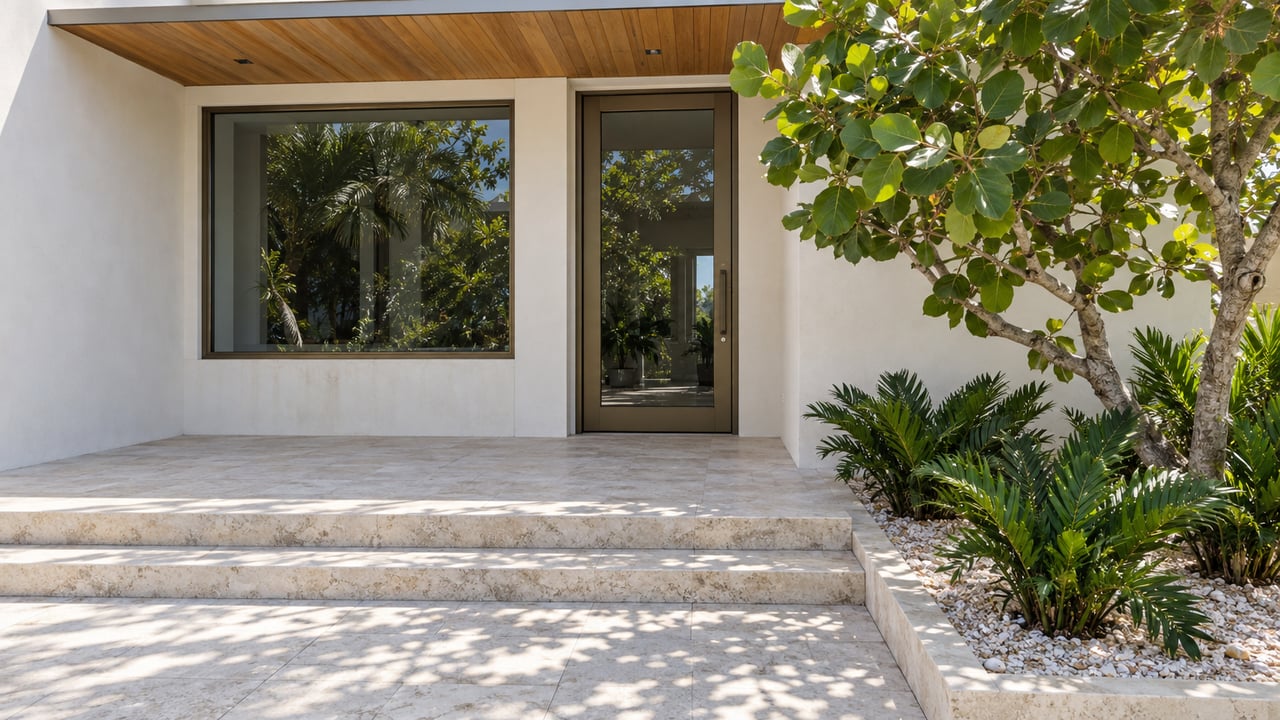
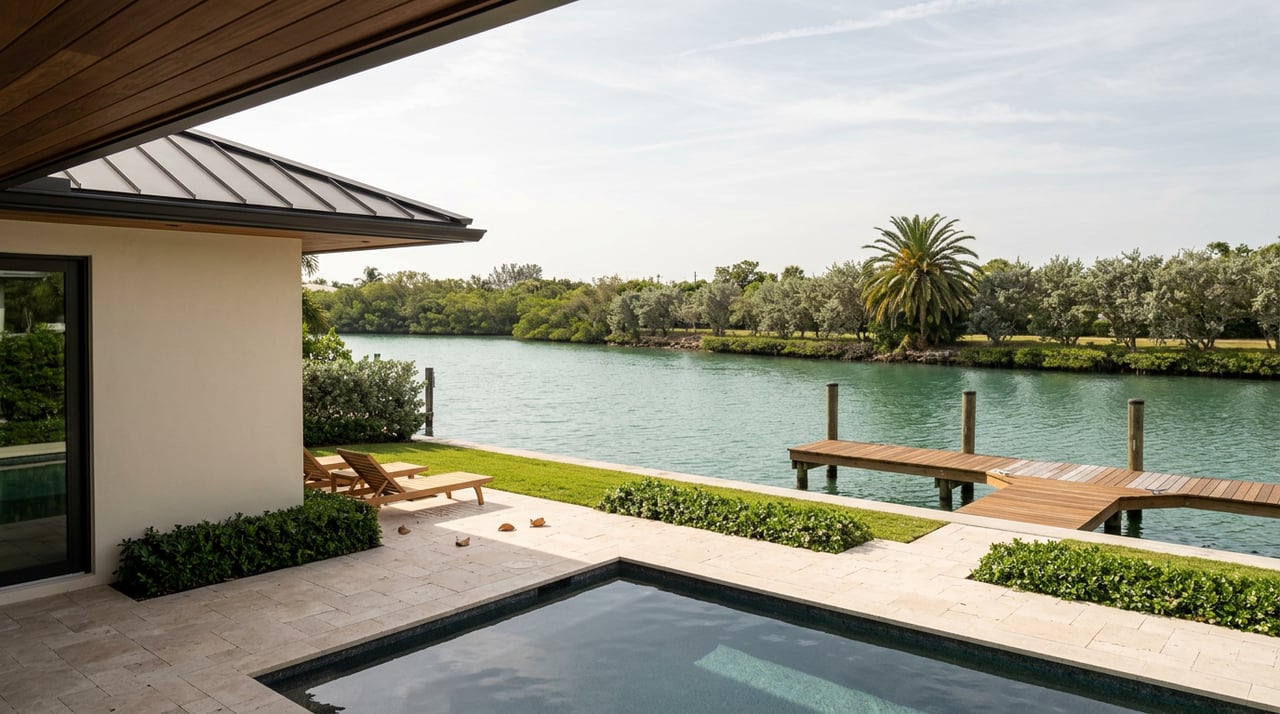
The first is a 1970s three-bedroom cottage two blocks from Siesta Beach, recently renovated, listed with photos of a hammock strung between two palms and a paddleboard rack by the carport. The second is a two-bedroom unit in a low-rise condo building four streets further inland, older finishes, no water view at all.
In most cases, the answer is the second property. Not because it sits closer to anything a guest actually wants. Because of a zoning classification that never shows up in a listing photo, a drone shot, or a walkthrough video.
The Question Most Buyers Ask Backward
Buyers shopping Siesta Key as a vacation-rental investment tend to ask the same question first: how close is it to the beach, and what does it rent for. That is the wrong first question. The right one is whether the parcel is zoned RSF or RMF, because Sarasota County's rules treat those two classifications as opposite worlds when it comes to short-term rentals.
The Coalition of City Neighborhood Associations says that, under the county's code, most residential parcels on Siesta Key carry an RSF (single-family) designation, and RSF parcels are held to a 30-day minimum lease. A property zoned RMF on the barrier island, by contrast, sits inside the narrow carve-out where stays under 30 days are permitted.
This is why a cottage with better bones, a shorter walk to sand, and a higher asking price can be the worse investment on paper. It is locked into month-plus leases by zoning, while a plainer condo four streets further inland may be free to book weekly or even nightly.
Where the Line Actually Falls
The split runs along jurisdiction as much as zoning. Most of Siesta Key sits in unincorporated Sarasota County, but a sliver at the north end falls inside City of Sarasota limits, and the city plays by a different rulebook entirely.
| Where the Property Sits | Zoning | Minimum Stay | What You Need |
|---|---|---|---|
| Unincorporated Sarasota County | RSF (typical single-family) | 30 days | Confirm applicable requirements |
| Unincorporated Sarasota County | RMF on the barrier island | Under 30 days allowed | Confirm applicable requirements |
| City of Sarasota (north end of the island) | Qualifying 1 to 4 unit residential | 7 nights | City Vacation Rental Certificate under Ordinance 25-5560 |
That means two homes a few blocks apart can operate under entirely different rental calendars, and the deciding factor has nothing to do with which one a guest would rather stay in.
Why a 2011 Date Still Controls 2026 Rentals
Florida law generally bars counties and cities from banning short-term rentals outright or dictating how long a stay must be. That preemption, written into state statute, would seem to override Sarasota County's 30-day rule entirely. It does not, because the county's rule predates the cutoff written into the law itself: any local ordinance already on the books by June 1, 2011 was grandfathered in and stayed enforceable.
The Sarasota News Leader reported that Sarasota County's rental restriction was grandfathered in under that cutoff. That single date is the reason the county can still hold single-family Siesta Key parcels to a 30-day minimum today, while a newer ordinance attempting the same thing elsewhere in Florida would likely get struck down. County planning staff have been careful for years about amending the ordinance for exactly this reason: change the wrong provision and you risk forfeiting the grandfathered protection along with it.
The fragility of that protection became public in early 2022, while Siesta Key residents were pushing a bill to incorporate the island as its own town. The Sarasota News Leader also reported that when asked directly, the Sarasota city attorney could not say for certain whether a newly formed municipality would inherit the county's grandfathered protection or would have to operate under current state preemption with no ability to restrict rental frequency at all. The delegation vote that would have advanced the incorporation bill ended in a 3-3 tie that January, and the effort did not move forward that year. But the legal question the debate exposed did not go away with it. The 30-day rule is not permanent by design. It survives because of a technicality, and nobody has fully tested what happens if that technicality is ever removed.
The Overlay Most Buyers Never Read
Even once you have the zoning right, Siesta Key layers a site-design overlay on top of it. The Siesta Key Overlay District adds its own standards for parking, buffering, and event limits that apply regardless of what the base zoning allows. A parcel that clears the RMF hurdle can still run into overlay restrictions on guest parking or outdoor gatherings that were never a factor in the sale price.
There is also a narrower exception worth knowing before you write an offer: the county recognizes certain multi-unit properties that documented short-term rental use before September 30, 2003. If a property carries that status, it can continue operating on terms that would otherwise be off the table under current zoning. This is a narrow, documentation-based exception, so verify eligibility before relying on it.
Condo and HOA documents should also be reviewed during due diligence.
What the Rules Actually Cost, and What They Buy
Once a property clears zoning, overlay, and association review, the tax stack still applies. According to the Florida Department of Revenue, short-term rental income on Siesta Key carries Florida's state sales tax on top of Sarasota County's Tourist Development Tax.
The pricing gap between rental-eligible and rental-restricted properties shows up in the numbers. As of April 2026, Siesta Key condos carried a median list price near $1.13 million against a median sold price closer to $865,000, according to Realtor.com, with homes sitting on the market for a median of roughly 107 days. That spread reflects a market where buyers are pricing in rental flexibility unevenly, paying a premium for buildings with clean short-term rental status and discounting units where the paperwork is murky or the association has tightened its rules.
What to Confirm Before You Write an Offer
If short-term income is part of the plan, a few questions belong in due diligence before they belong in a listing agent's answer:
- Pull the parcel's actual zoning designation. Do not rely on how a listing describes rental potential.
- Ask whether the property carries any pre-2003 recognized short-term status, and get the documentation, not a verbal assurance.
- Read the condo declaration or HOA covenants directly for minimum stay length, rental caps, and new-owner waiting periods.
- Confirm whether the parcel is inside City of Sarasota limits or unincorporated county, since the two operate under different minimum-stay rules entirely.
- Ask the seller to document any claimed rental history and raise compliance questions during due diligence.
A Few Questions We Hear Often
Can a single-family home on Siesta Key ever get short-term rental rights? Only in narrow cases, generally tied to documented pre-2003 use. Absent that, RSF zoning holds to the 30-day minimum regardless of the home's history or the seller's claims.
If I buy a condo, am I guaranteed the right to rent nightly? Not necessarily. Review the building's governing documents as part of due diligence.
What if the seller says they've been renting short-term for years? Ask the seller to document the rental history in writing and raise any compliance concerns during due diligence.
Zoning research like this rarely shows up in a listing description, which is exactly why it matters. If you are weighing a Siesta Key purchase against its rental potential, the Jennifer Linehan Group can walk the parcel's zoning, overlay, and association documents with you before you write an offer, so the numbers you underwrite are the numbers the property can actually deliver.
This article is general information, not legal, tax or financial advice. Consult a qualified professional about your situation.